Argentina
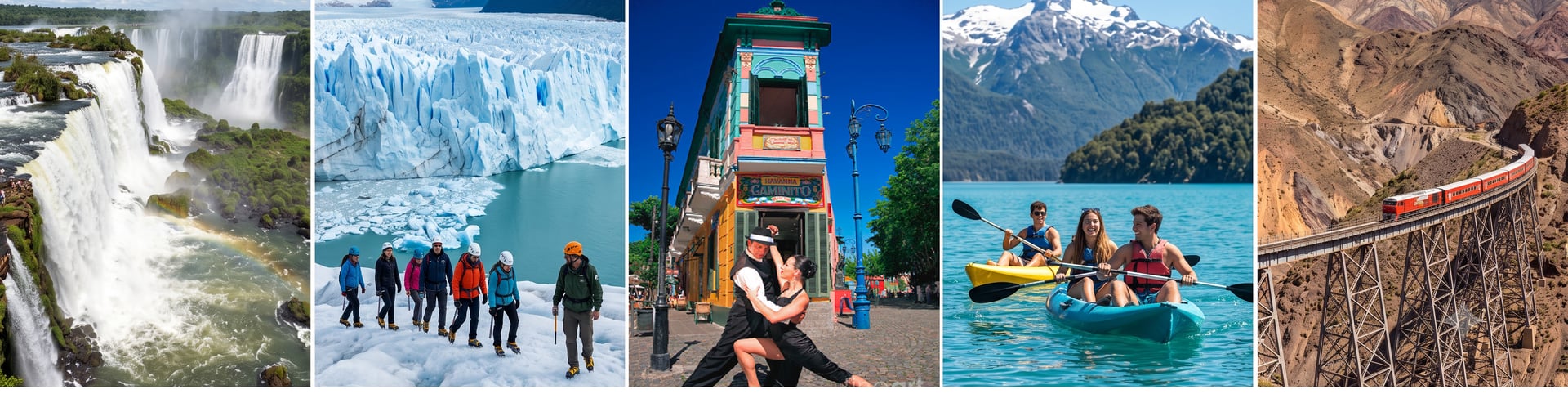
Argentina is South America's second-largest country and one of its most diverse travel destinations. Buenos Aires anchors most itineraries with its neighborhoods, food scene, and cultural life, but the country extends far beyond the capital. Patagonia in the south offers some of the continent's most dramatic wilderness, the northwest holds colonial cities and dramatic canyon landscapes, and Iguazu Falls in the northeast is simply one of the great natural spectacles anywhere on earth.
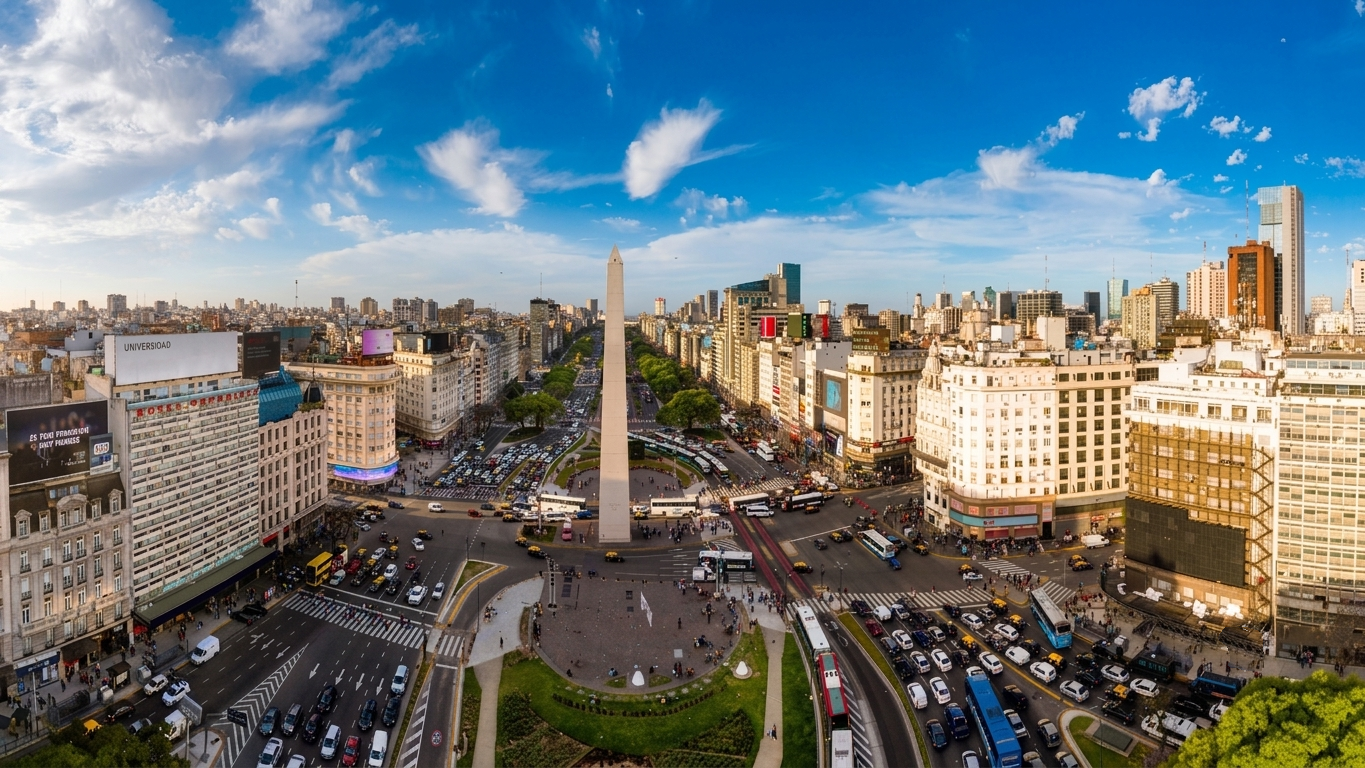
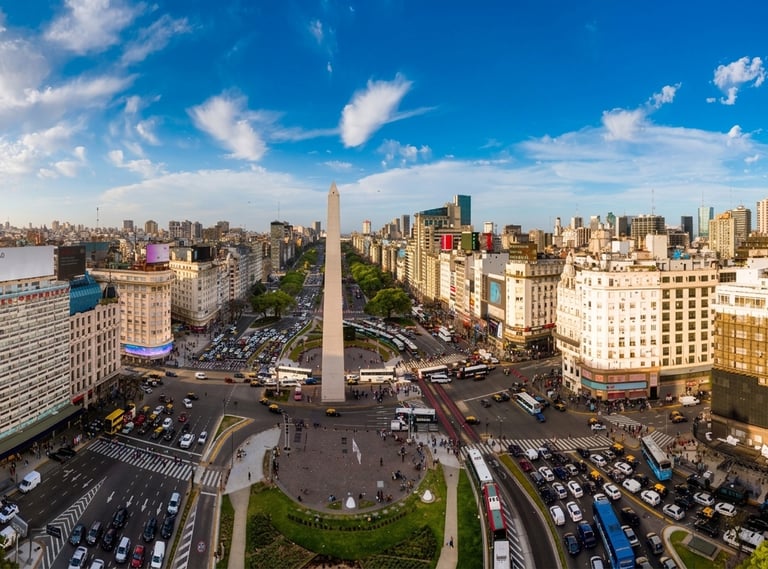
Buenos Aires is one of South America's great cities, with a density of culture, gastronomy, architecture, and street life that rewards slow exploration. Its neighborhoods each have a distinct character: San Telmo for its antique market and tango tradition, Palermo for its restaurants and parks, Recoleta for its cemetery and European atmosphere. The city also serves as the natural gateway to the rest of Argentina, with good flight connections to Patagonia and the northwest.
Buenos Aires
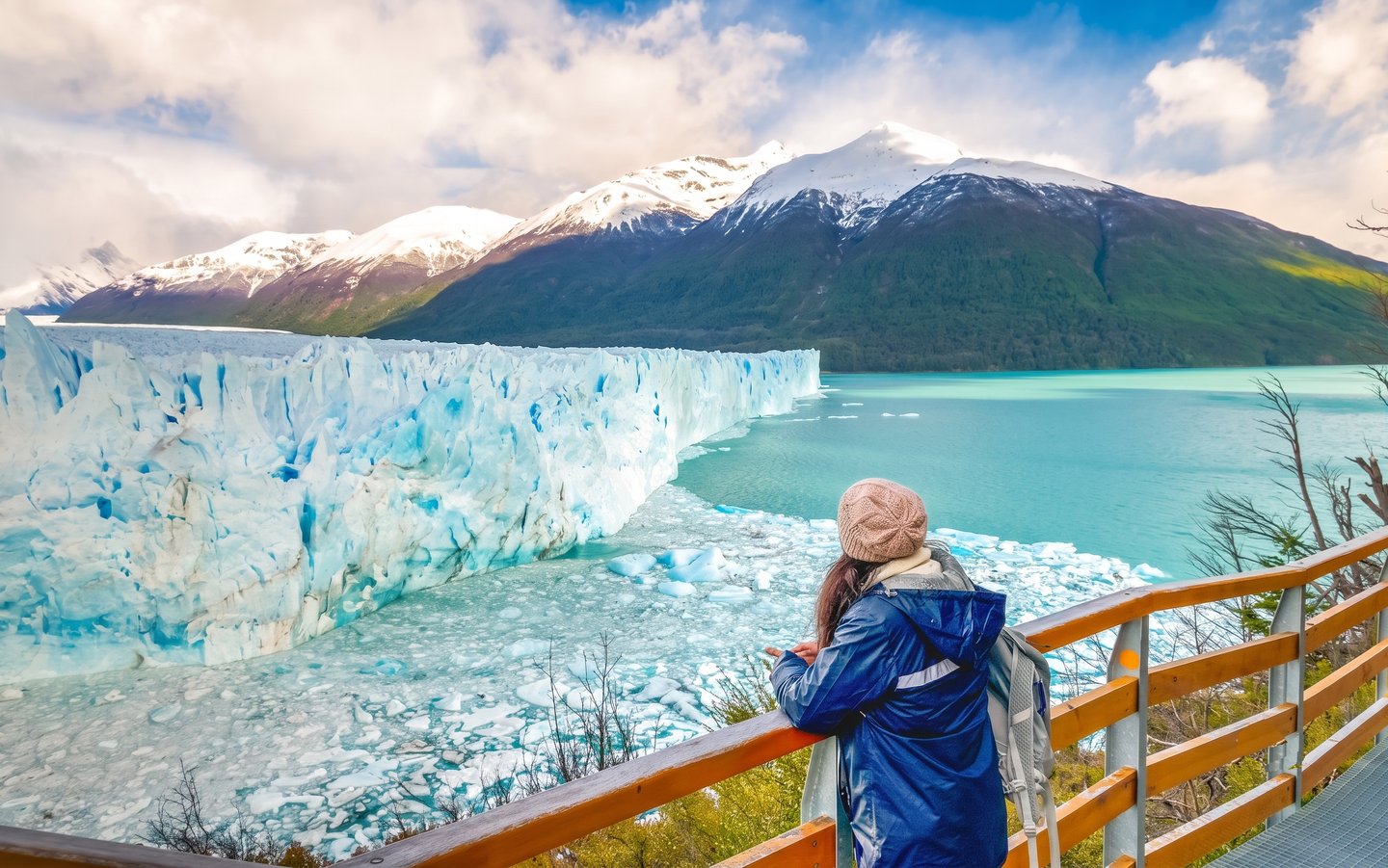
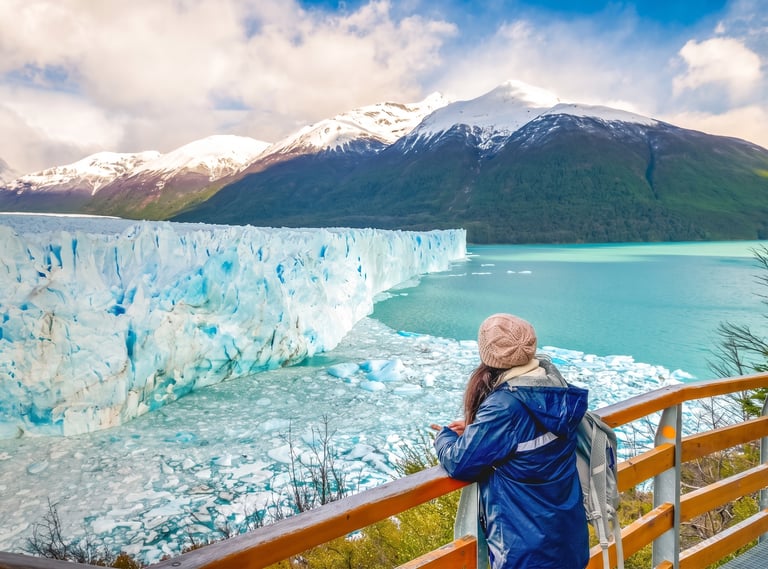
Argentine Patagonia stretches across a vast and sparsely populated region in the south of the country, with El Calafate and El Chalten as its two main bases. The Perito Moreno glacier, one of the few advancing glaciers in the world, is the region's most visited landmark and genuinely deserves its reputation. El Chalten, known as Argentina's trekking capital, offers access to the Fitz Roy range with trails that require no permits and no technical climbing experience.
Patagonia
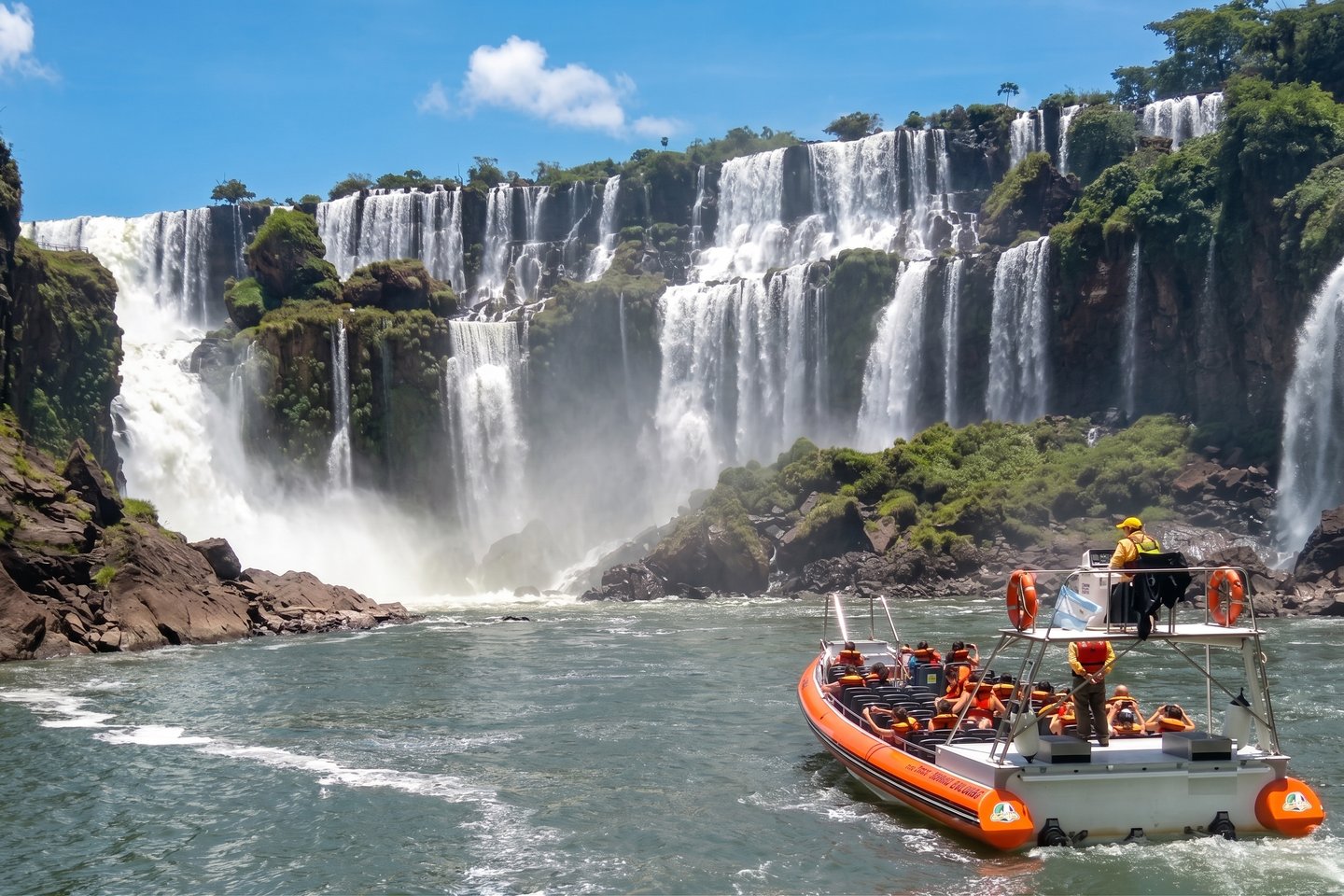
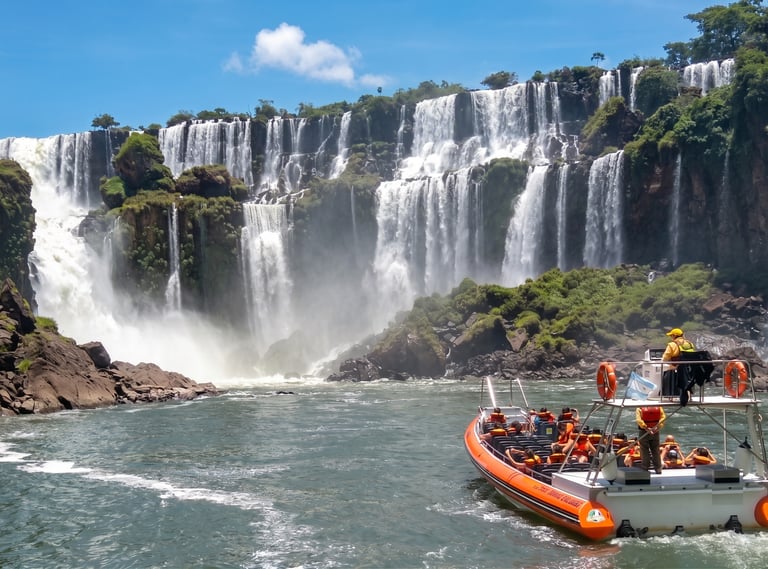
Iguazu Falls sits on the border between Argentina and Brazil and is widely considered one of the most impressive waterfall systems on the planet. The Argentine side offers closer access to the falls through an extensive network of walkways and catwalks, including the dramatic Garganta del Diablo viewpoint. A day on each side of the border gives a complete picture, with the Brazilian viewpoint offering the wider panoramic perspective of the full horseshoe.