Colombia
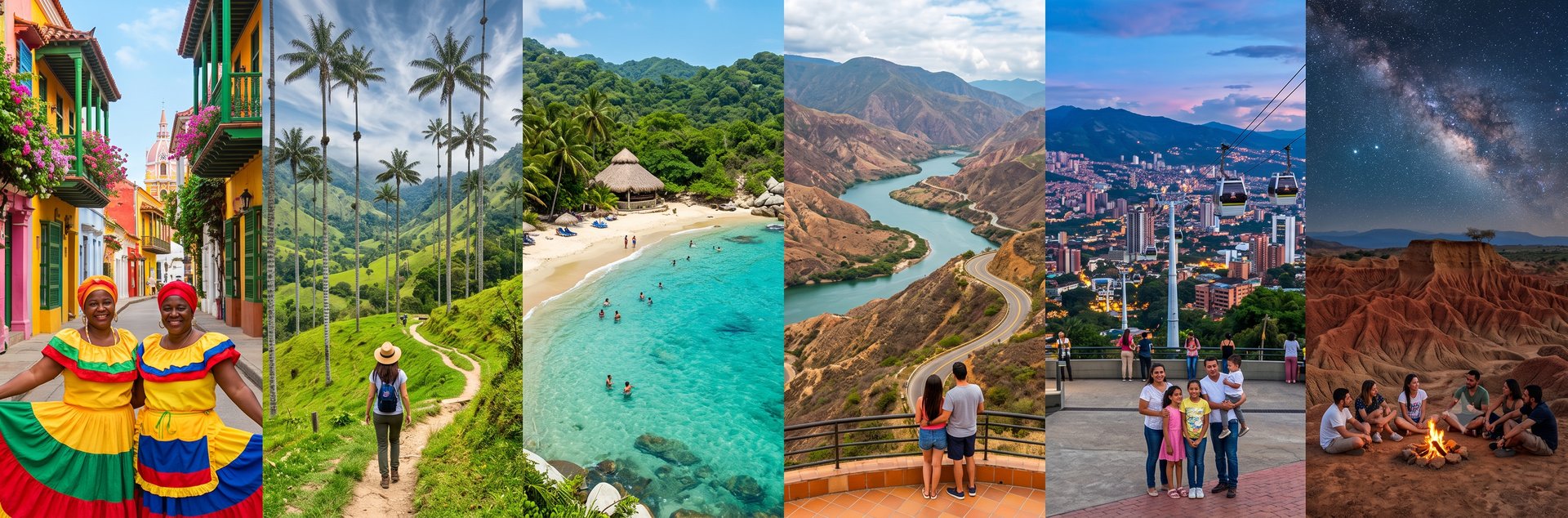
Colombia has undergone a remarkable transformation as a travel destination over the past two decades. What was once largely off the international radar is now one of South America's most talked-about countries, drawing travelers with its colonial cities, Andean coffee landscapes, Caribbean coastline, and a cultural energy that is hard to define but immediately felt. Cartagena, Medellin, and the Eje Cafetero are its three strongest draws.
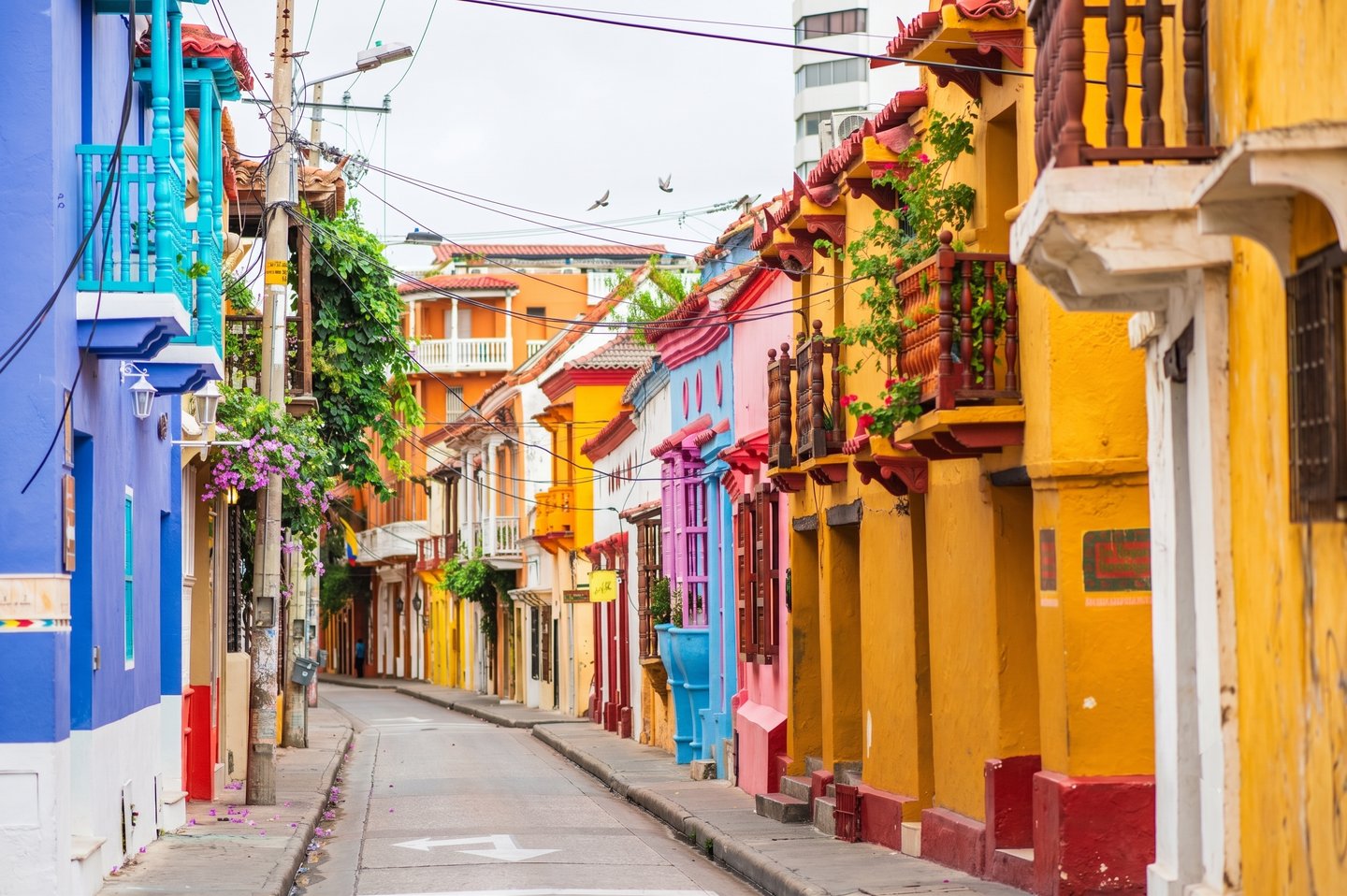
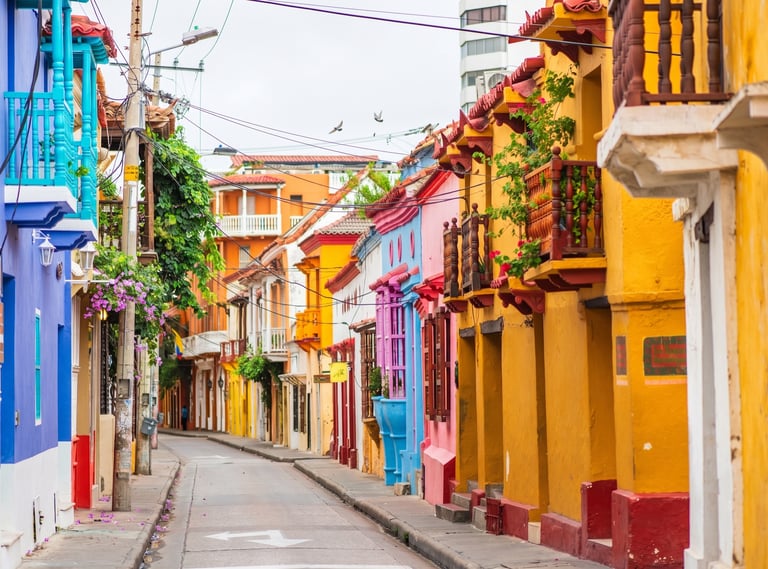
Cartagena sits on Colombia's Caribbean coast and holds one of the finest colonial walled cities in the Americas. Its historic center, known as the Ciudad Amurallada, is a UNESCO World Heritage Site, with colorful streets, bougainvillea-draped balconies, and plazas that come alive in the evenings. Beyond the walls, the Getsemani neighborhood and nearby Rosario Islands offer a different and equally appealing side of the city.
Cartagena
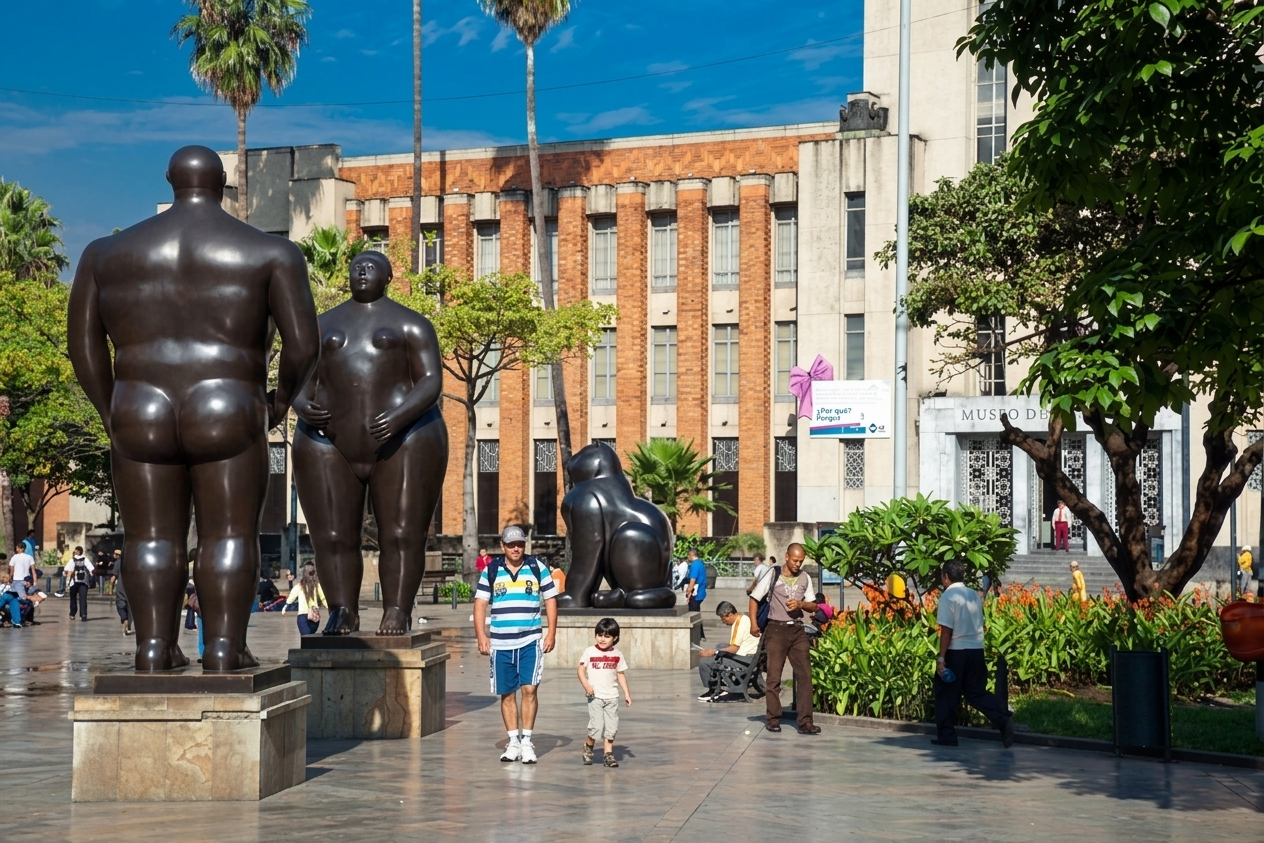
Colombia's second city has reinvented itself more dramatically than almost any other urban center in South America over the past twenty years. Once associated with a difficult recent history, Medellin is now recognized internationally for its urban innovation, design culture, gastronomy, and livability. Set in a narrow Andean valley with a near-perfect climate, it is a city that tends to surprise visitors who arrive with modest expectations.
Medellín
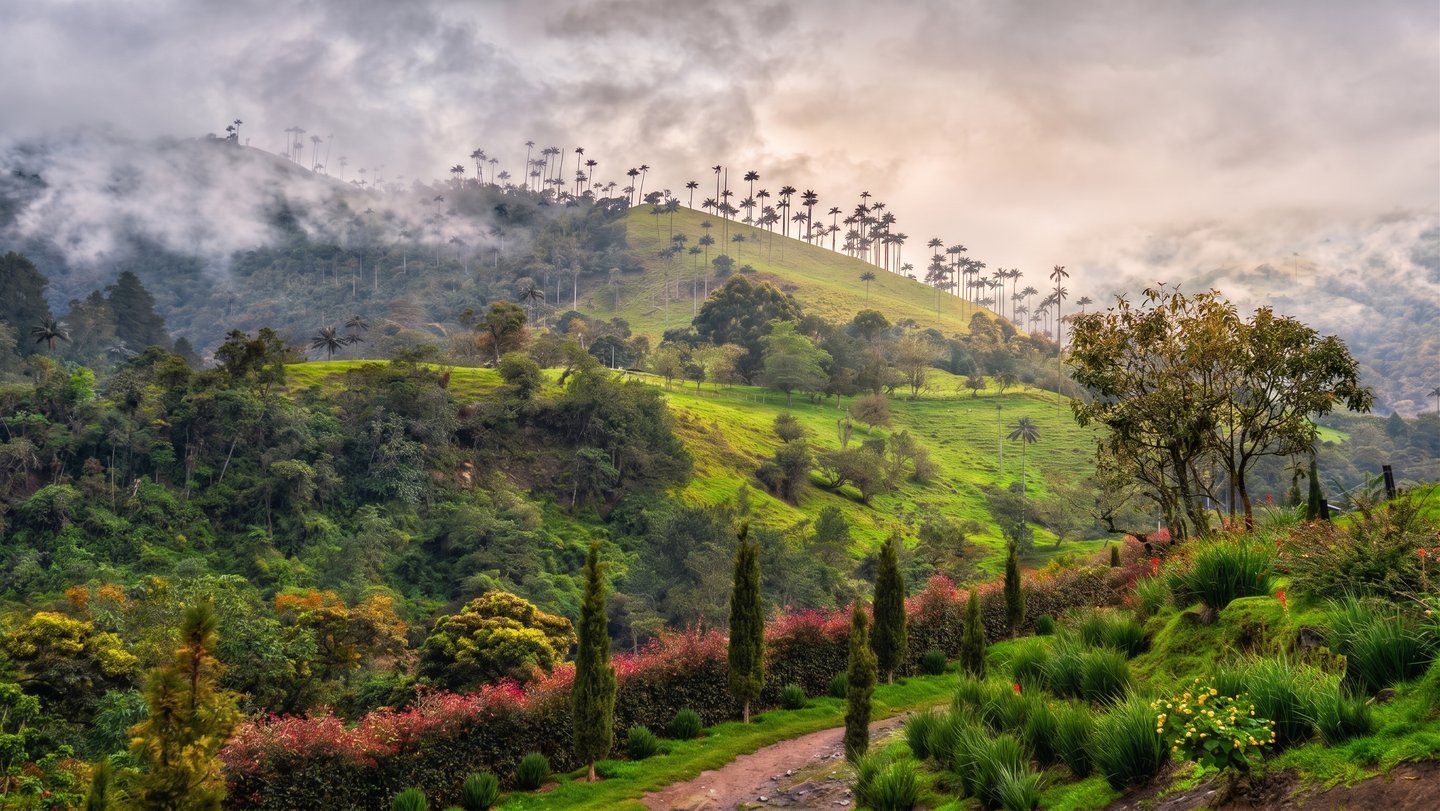
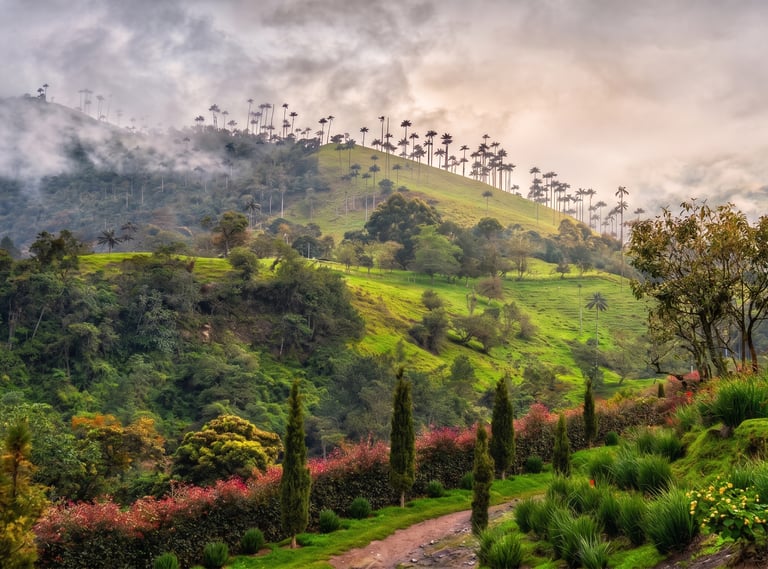
The coffee region, or Eje Cafetero, occupies the green Andean foothills between Medellin and Cali and offers a very different pace from Colombia's cities. Traditional haciendas, colorful towns like Salento, and the dramatic Cocora Valley with its towering wax palms make this one of the country's most photogenic and relaxed corners. A few days here balance well against the energy of Cartagena or Medellin.