
Brazil is the largest country in South America and one of the most biologically and culturally diverse on earth. Its territory spans the Amazon basin, the Pantanal wetlands, a vast Atlantic coastline, and a series of major cities each with its own distinct character. Traveling Brazil well requires choices, since no single itinerary can cover the whole country. Most visitors build around Rio de Janeiro and then add either the Amazon, the northeast coast, or the Pantanal.
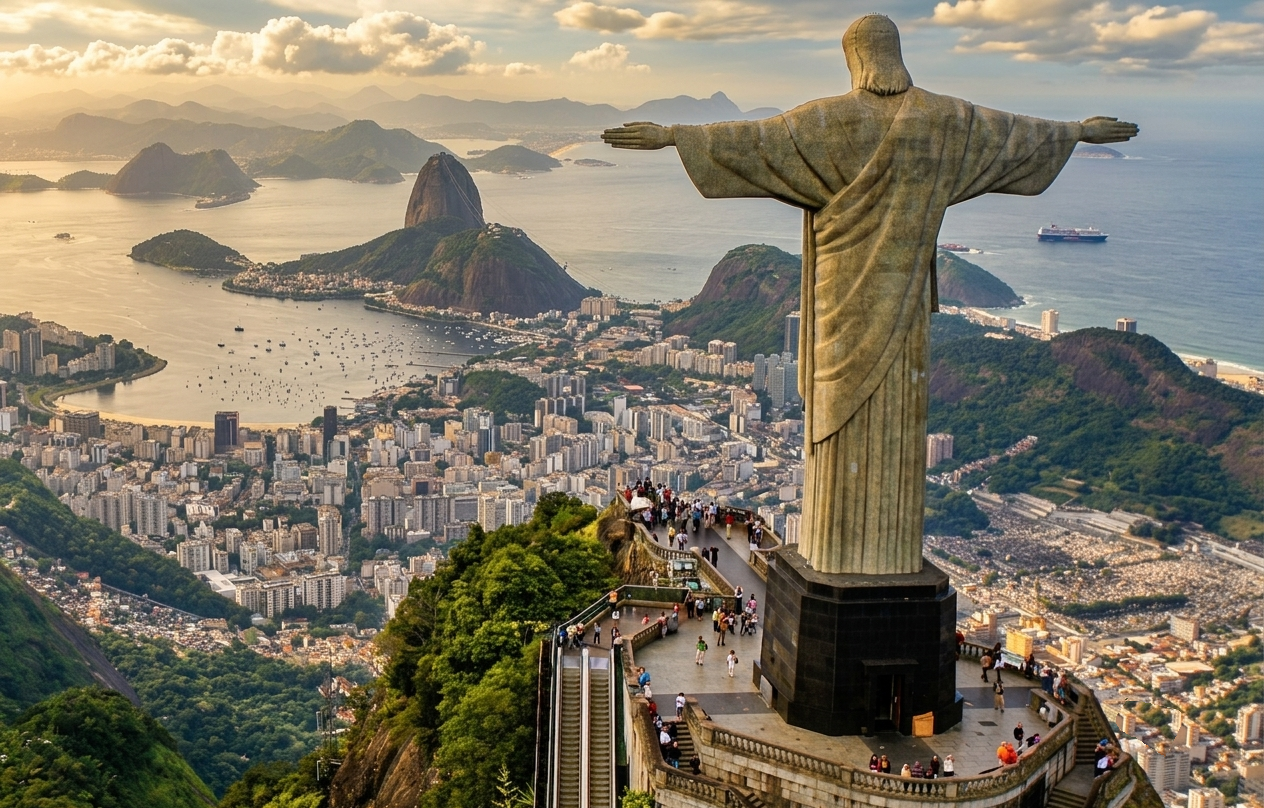
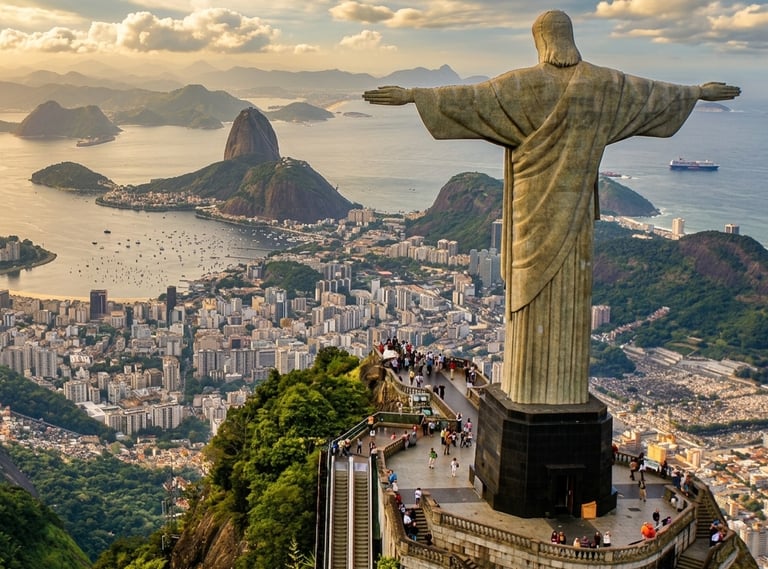
Rio de Janeiro is one of the world's most visually recognizable cities, with Sugarloaf Mountain, the Christ the Redeemer statue, and a string of famous beaches compressed into a landscape where mountains meet the Atlantic. Beyond the postcards, the city rewards exploration through its neighborhoods, markets, and restaurant scene. The best visits combine beach time with forays into Santa Teresa, Lapa, and the Santa Cruz fortress, giving a fuller picture of what Rio actually is.
Rio de Janeiro
The Pantanal is the world's largest tropical wetland, straddling Brazil, Bolivia, and Paraguay, and it is arguably the best place in South America for wildlife observation. Unlike the dense Amazon, the Pantanal's open landscape makes animals easy to spot. Jaguars, giant anteaters, capybaras, hyacinth macaws, and giant river otters are all regularly seen here. The dry season between July and October concentrates wildlife around water sources and offers the most reliable sightings.
The Pantanal
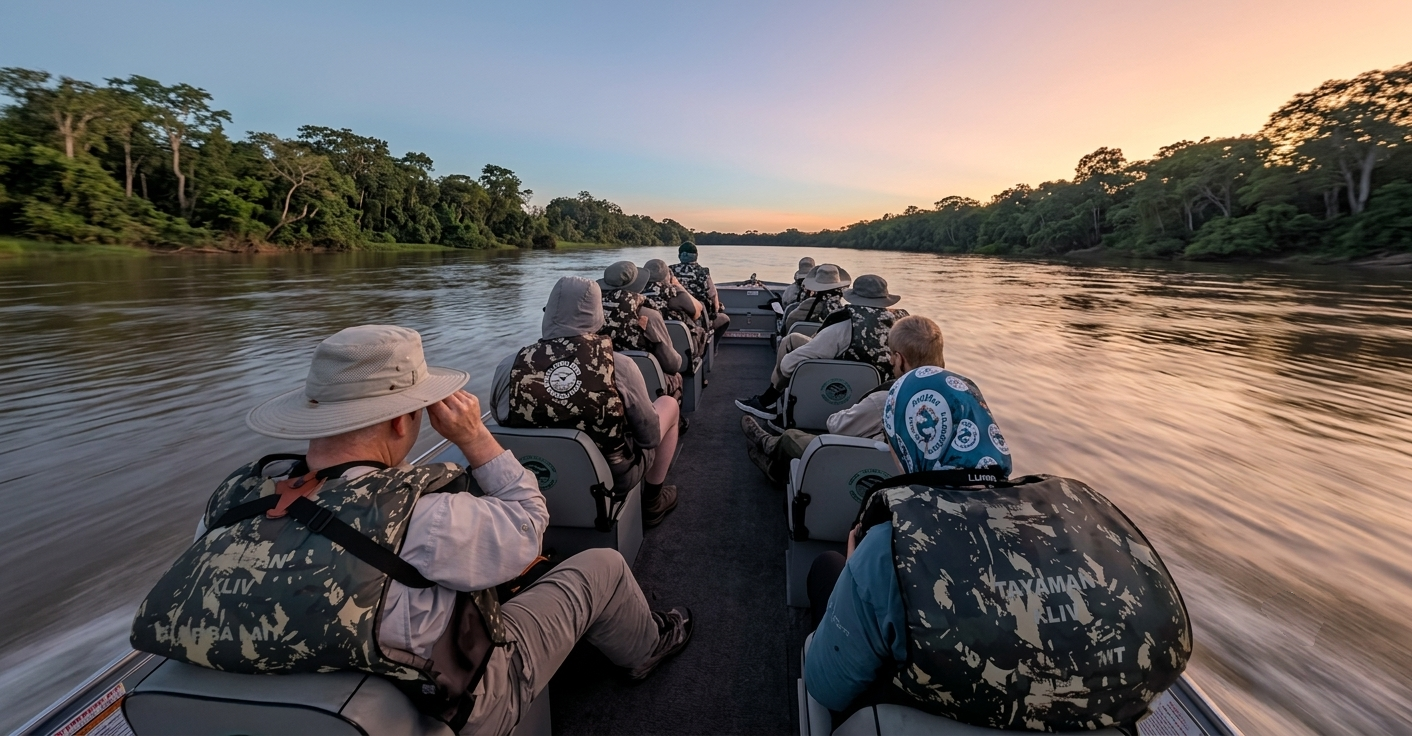
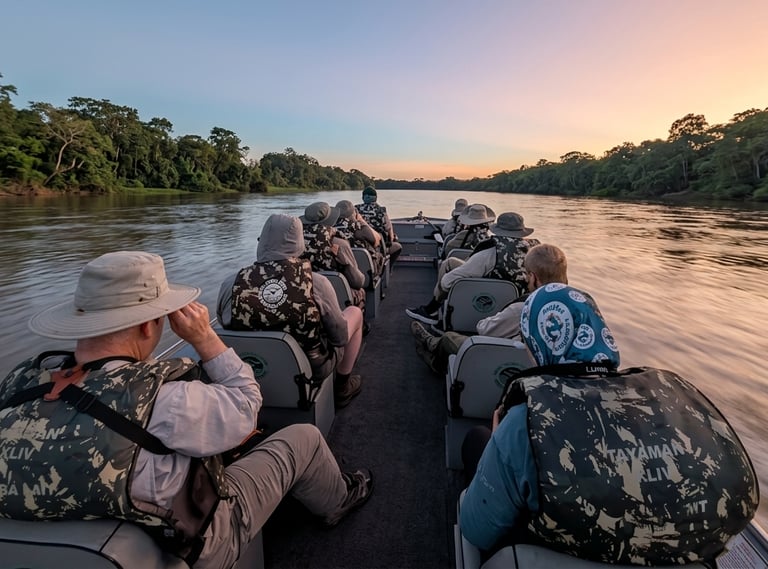
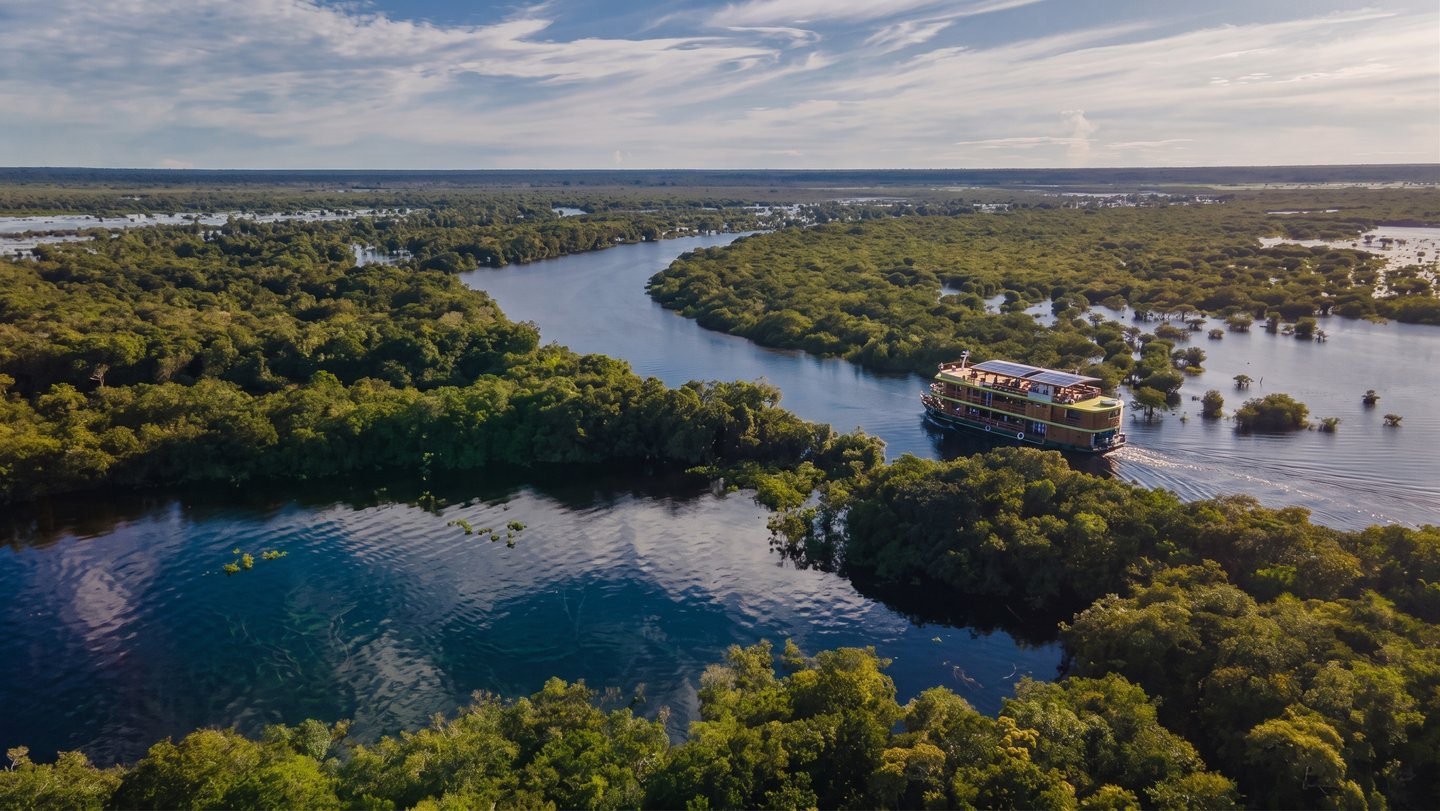
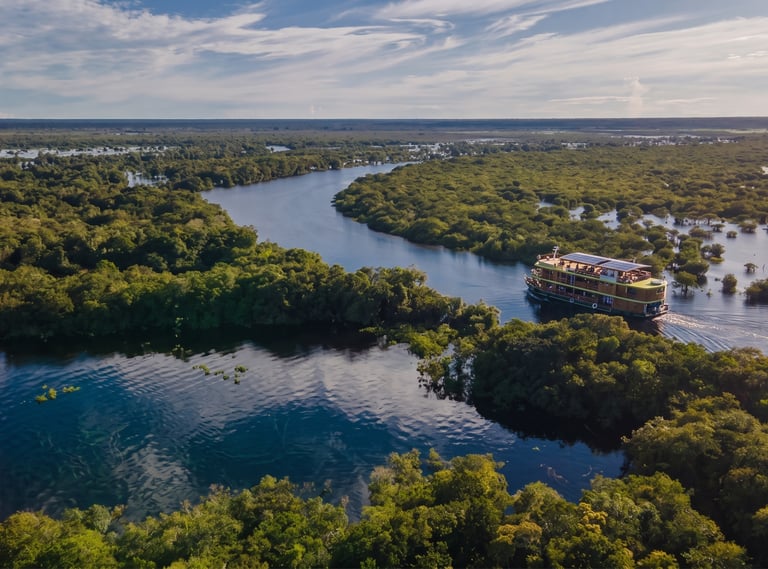
The Brazilian Amazon is the largest tropical rainforest on earth, and experiencing it properly means getting beyond the city of Manaus and into the river system. Lodge-based stays and river cruises both work well, depending on the level of comfort and mobility preferred. Wildlife sightings, including pink river dolphins, giant otters, caimans, and hundreds of bird species, are most reliable in the dry season between June and November, when animals concentrate near remaining water sources.