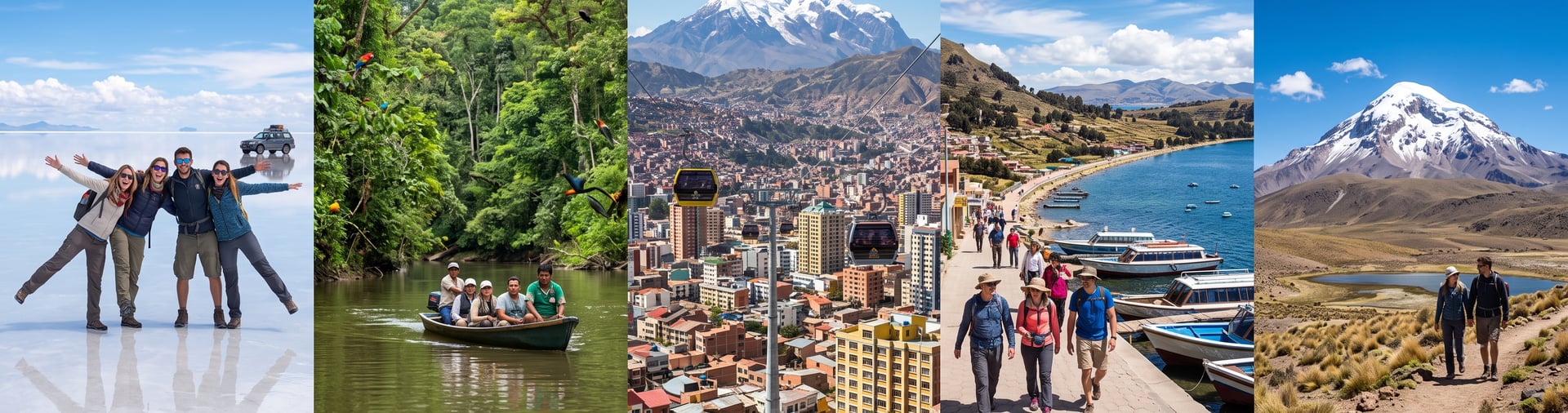
Bolivia is South America's most overlooked travel destination, and that is part of what makes it interesting. Fewer international visitors means less infrastructure in some areas, but also more authenticity and a sense of discovery that is harder to find elsewhere on the continent. Its landscapes range from the world's largest salt flat to high-altitude cities to tropical lowlands, and its indigenous culture is among the richest and most visible in all of South America.
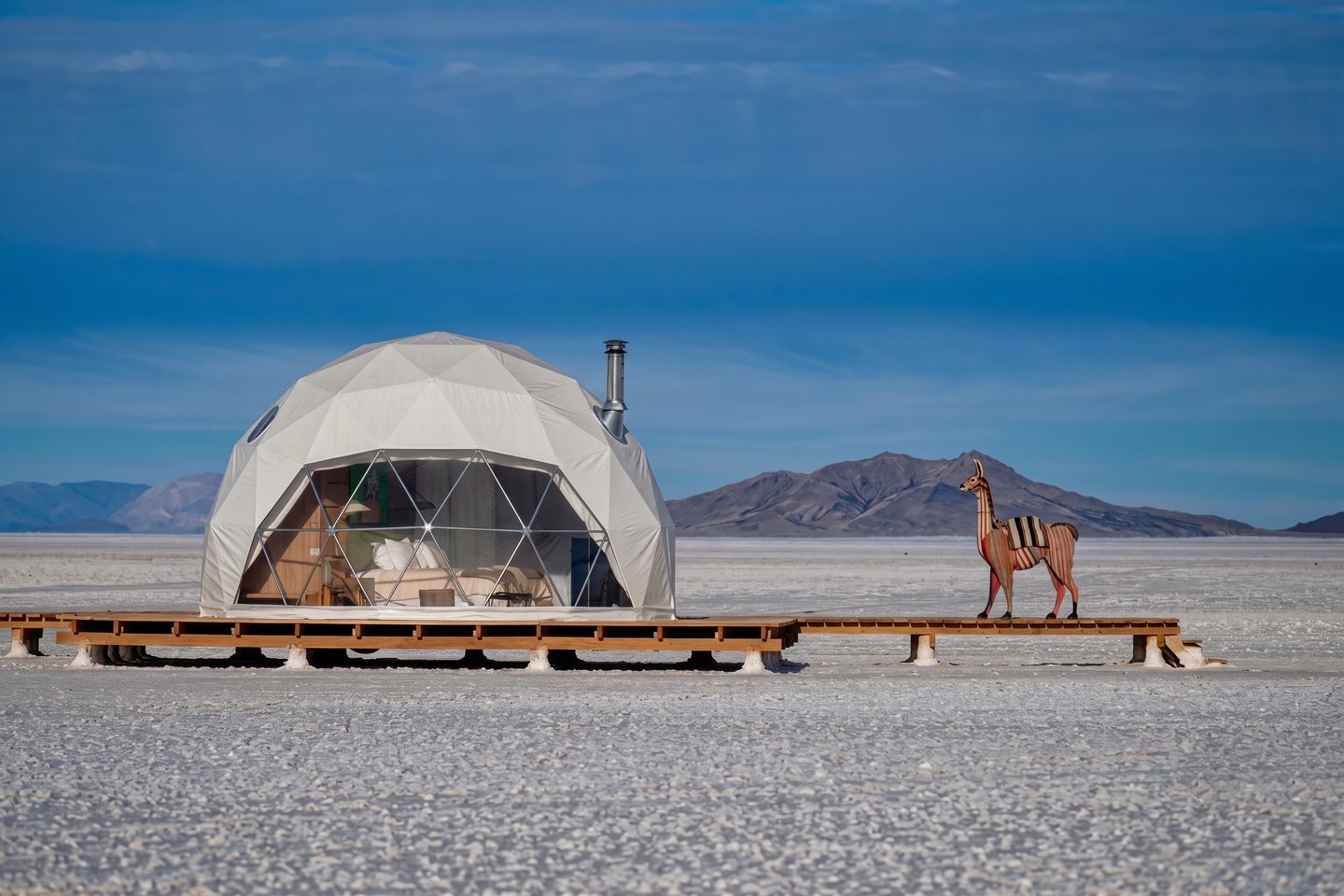
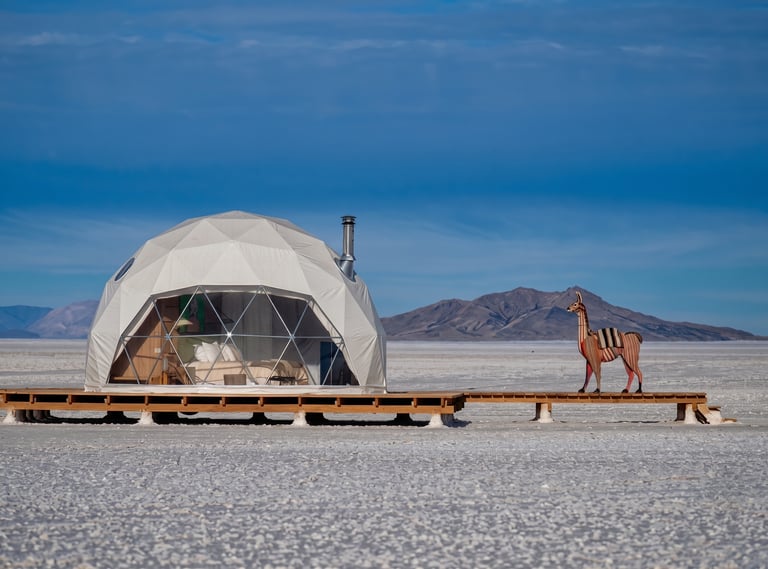
The Salar de Uyuni covers over 10,000 square kilometers of the Bolivian altiplano and is the largest salt flat on earth. During the dry season, the surface forms geometric patterns that stretch to the horizon. During the rainy season, a shallow layer of water transforms it into a mirror that reflects the sky with near-perfect clarity. Flamingos, geysers, and colored lagoons extend the experience into the surrounding region.
Uyuni
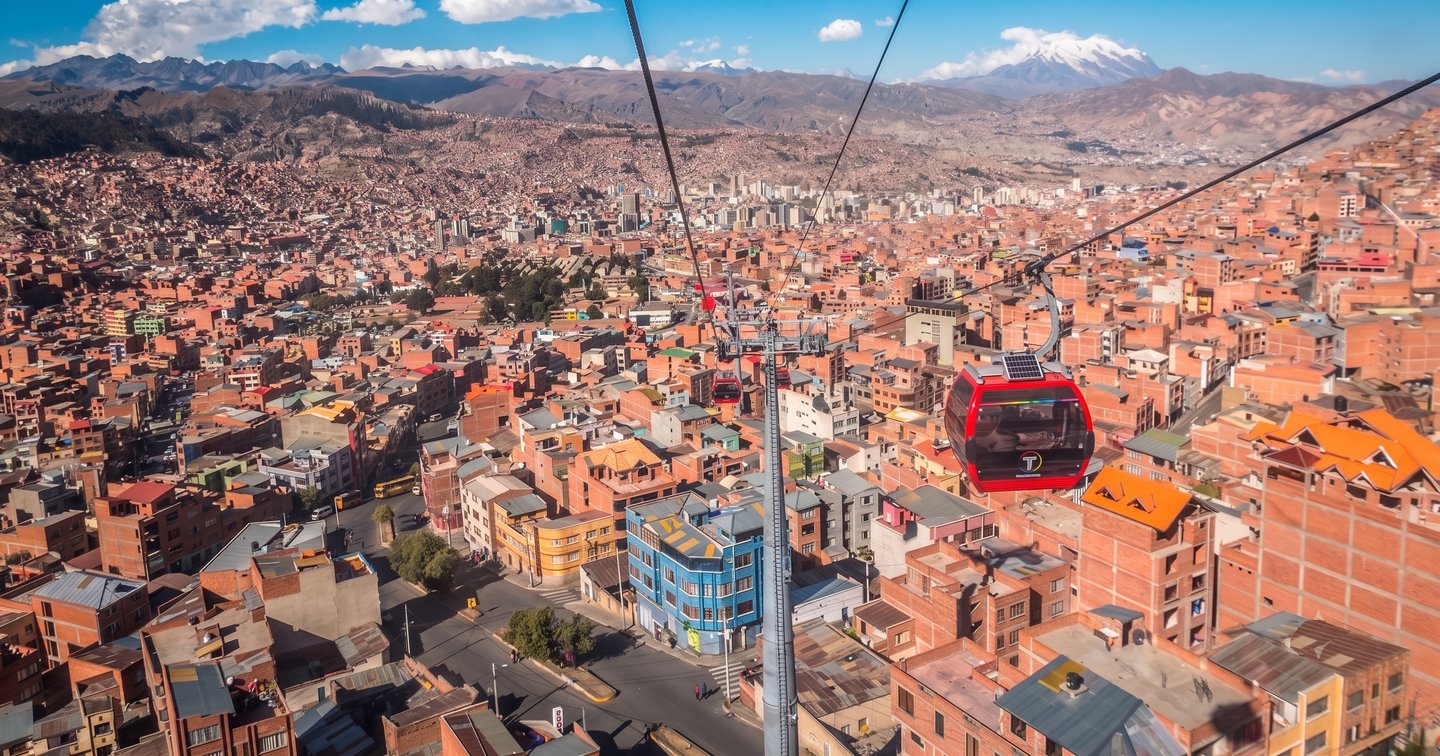
La Paz is one of the world's most visually dramatic cities, built into a canyon at over 3,600 meters above sea level with the snow-capped Illimani volcano as a backdrop. Its markets, particularly the Witches Market, offer a window into Andean traditions that remain very much alive. The city's cable car network, built as public transit, doubles as one of the best ways to take in the scale of the surrounding landscape.
La Paz
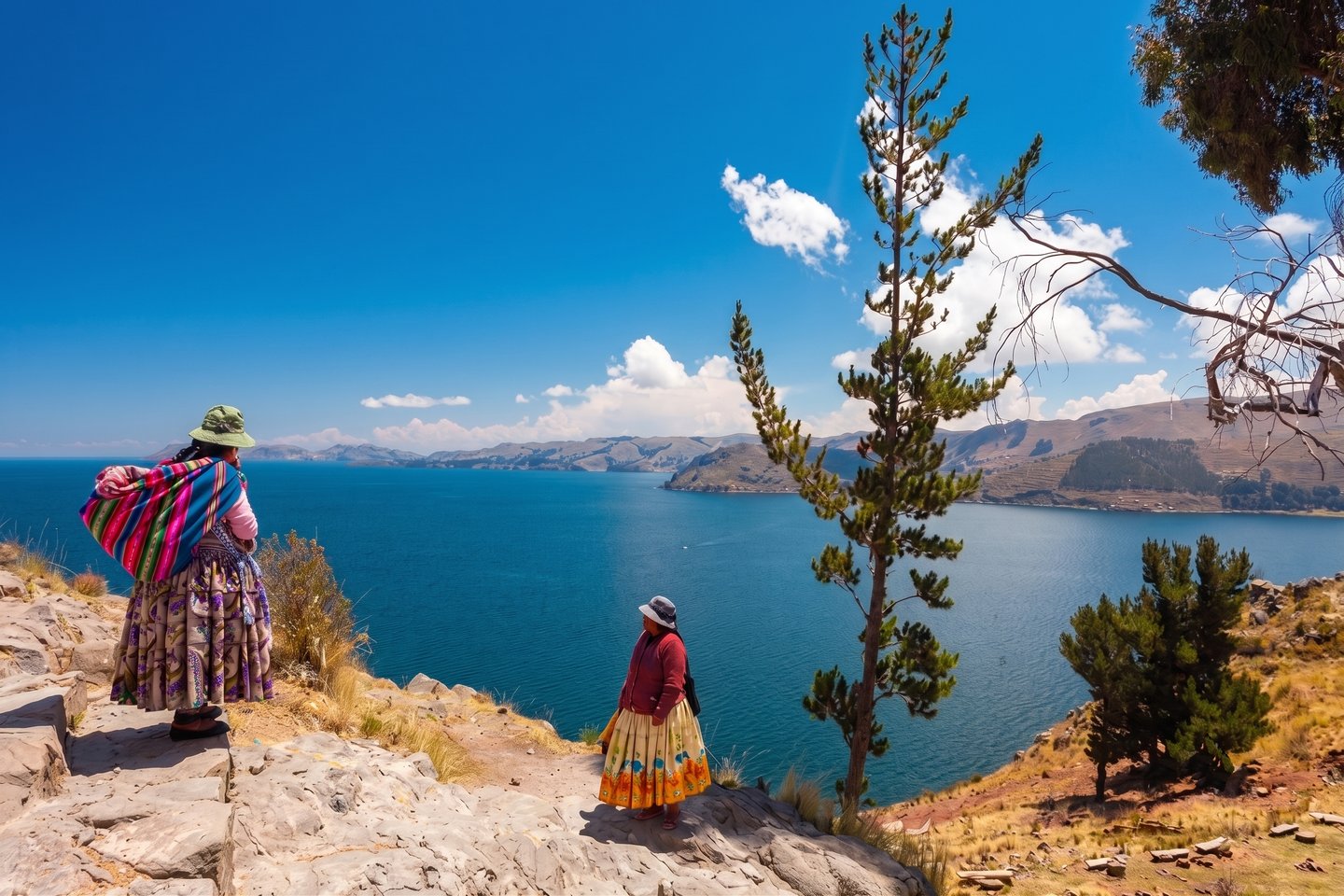
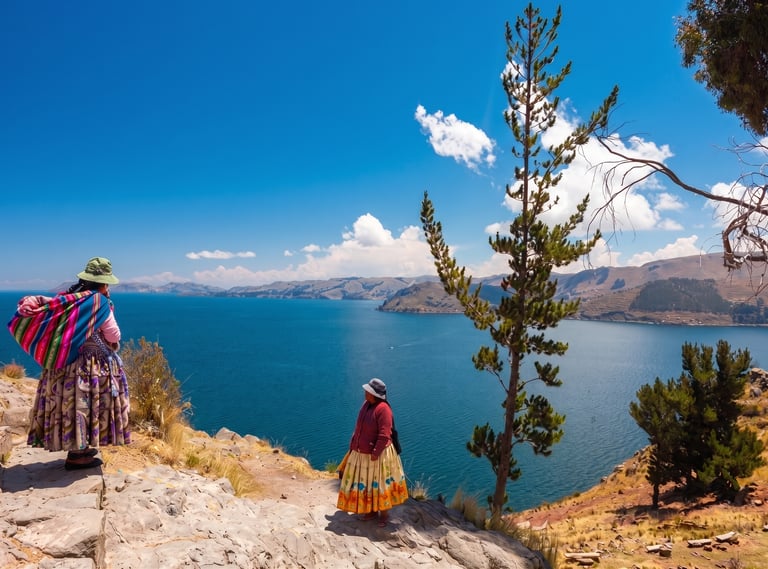
Lake Titicaca sits on the border between Bolivia and Peru at 3,800 meters above sea level, making it the world's highest navigable lake. The Bolivian side, centered on the town of Copacabana, offers a quieter and less visited perspective than its Peruvian counterpart. From Copacabana, boats cross to Isla del Sol, considered by the Inca to be the birthplace of the sun, with walking trails, ancient ruins, and views across the lake that are difficult to match anywhere in the Andes.